Don’t p*ss on me and tell me it’s raining

In the IoT industry, everyone loves to talk about their massive scale and flawless deployments. But very few founders are willing to get on stage and talk about the agonizing, messy realities of building a global tech company from scratch, except Wienke.
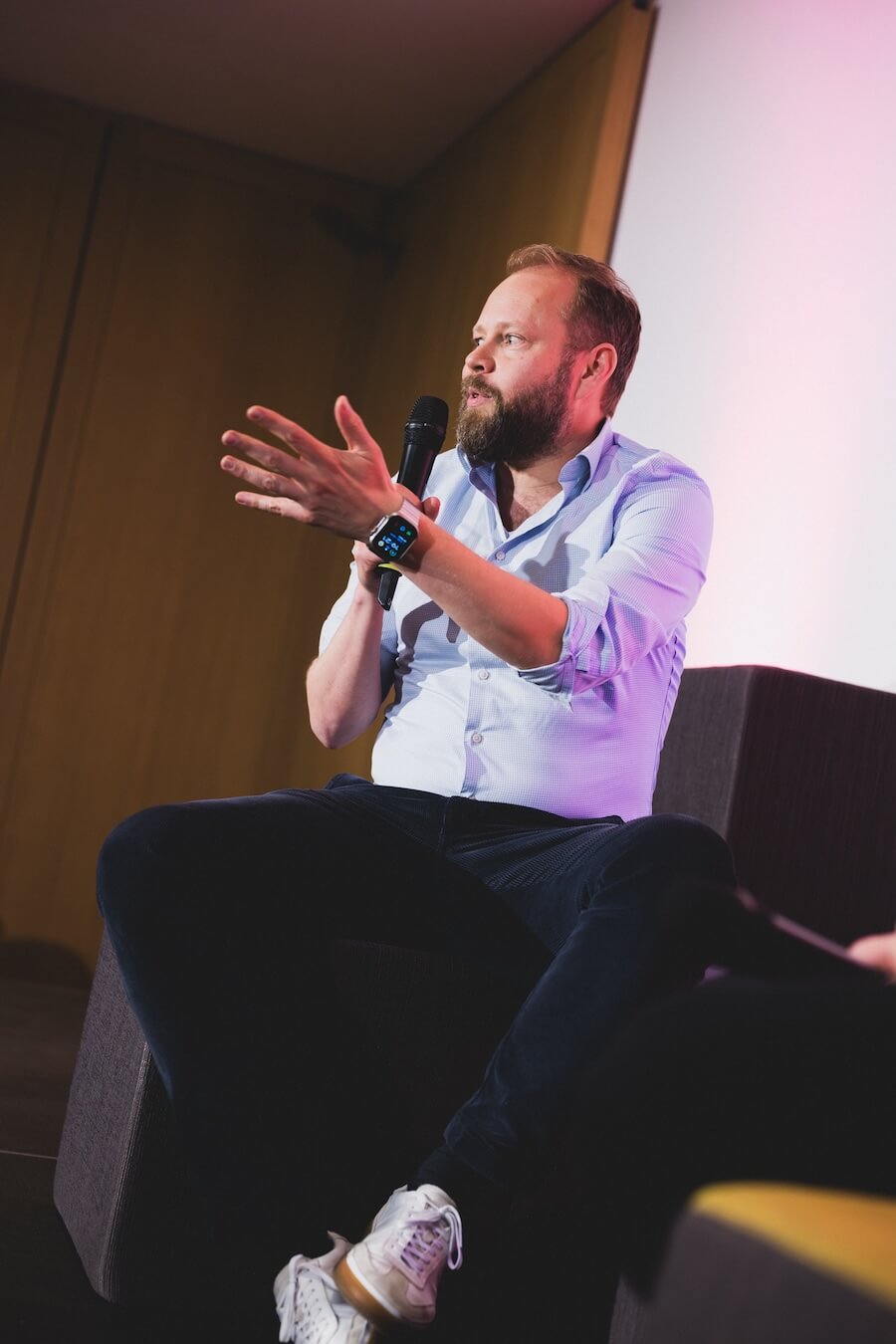
At the latest IoT Stars event, Laurens Slats sat down with Wienke Giezeman, CEO and Co-Founder of The Things Industries, for a brutally honest fireside chat. Reflecting on an 11 year rollercoaster that started at a local Amsterdam meetup in 2015, Giezeman stripped away the startup glamour to share the exact moments that nearly broke his company and the strategic pivots that ultimately saved it.
If you are building an IoT company today, here are the hard-learned lessons you need to hear about hardware traps, venture capital, and the golden rule of customer transparency.
The Hardware Trap: From Extreme Highs to Brutal Lows
In 2015, The Things Industries had a radical vision: what if developers could bypass the telcos and crowdsource their own global LoRaWAN network? To make it happen, they launched a Kickstarter to build a highly developer-friendly LoRaWAN gateway. The campaign was a massive hit, selling €600,000 worth of hardware in just 30 days.
It was the ultimate startup high to be successful on a crowdfunding campaign on Kickstarter. But it quickly turned into a nightmare.
"Selling €600k in 30 days while never having done anything in hardware before. That naivety and ignorance resulted in continuously delaying shipments, disappointing our customers."
— Wienke Giezeman, The Things Industries
The team was completely unprepared for the brutal realities of hardware supply chains, component shortages, and manufacturing delays. It forced a massive realization: just because you can sell hardware doesn't mean you should build it.
The Mantra: Radical Customer Transparency
As the hardware delays piled up, the team found themselves falling into a classic corporate trap: beating around the bush and giving customers vague, PR-friendly excuses such as component shortages.
That strategy came to a sudden halt when an angry Kickstarter backer left a comment that Giezeman eventually printed out and framed above his desk:
"Maybe it is time to pursue other means to remedy the shit situation we have been given. Don't piss on me and tell me it's raining.”
For Giezeman, this became the ultimate mantra for running an IoT business. When things go wrong, and in IoT, they always may be, you cannot hide the truth from developers and engineers. You have to be radically transparent. If a shipment is late or a platform is down, give them the raw facts. No spin, no fluff.
Stop Competing With Your Ecosystem
The pain of the Kickstarter campaign led to the most important strategic pivot in The Things Industries’ history. They realized their core DNA was rooted in cloud software, not manufacturing plastic and silicon. So, they stopped building hardware entirely.
"Don't take this as an inspiration," Giezeman joked.
Instead of trying to own the entire stack, they decided to master just one piece of it: building the world's best developer-friendly LoRaWAN network management software. For the hardware, they partnered with companies who actually knew what they were doing, like RAKwireless and Seeed Studio.
"Let's build this thing together. Don't compete with your suppliers, don't compete with your customers, don't compete with your ecosystem. Do one thing really well, and be consistent."
Ignoring the VC Hype Cycle
While their competitors were raising massive rounds of venture capital and burning cash to hit artificial growth metrics, The Things Industries made a highly contrarian bet: they bootstrapped.
By refusing to take VC money, The Things Industries wasn't distracted by the shifting hype cycles of the market or the demands of board members pushing for an unrealistic scale. They bet on a slower-moving, sustainable market. Today, that patience has paid off. While many heavily-funded IoT darlings from 2015 have died a silent death, The Things Industries is highly profitable, managing over 4 million devices for more than 1,000 enterprise customers, and generating roughly €5M in annual recurring revenue.
The Magic of the "Bitpipe"
After 11 years of grueling work, what keeps a founder waking up every morning? For Giezeman, it’s the sheer, unexpected value of what happens when IoT finally works.
The industry loves to overcomplicate things, but at its core, IoT is just about delivering a tiny payload of data from the physical world to the cloud. Giezeman calls it a "little bitpipe." But when that bitpipe is reliable, the magic happens.
"It just surprises me every day what they do with a little bitpipe. What kind of magic can happen if you build a bitpipe that reaches into operations or processes in an enterprise. The ROI always turns out to be higher than they expected."